Polar Grass (Arctagrostis latifolia) Polar grass grows from sea level to 5,500 feet in elevation with two subspecies growing in different parts of the world. One subspecies, A. latifolia subsp. arundinacea, grows in the low arctic areas of Alaska and northern Canada. The other larger species, subsp. latifolia, grows in the high Arctic. The grass grows from five to 60 inches in height with.. SPECIES: Arctagrostis latifolia GENERAL BOTANICAL CHARACTERISTICS : Wideleaf polargrass is a perennial, native, sod-forming grass. Culms range from 1 to 4 feet (0.3-1.2 m) tall.
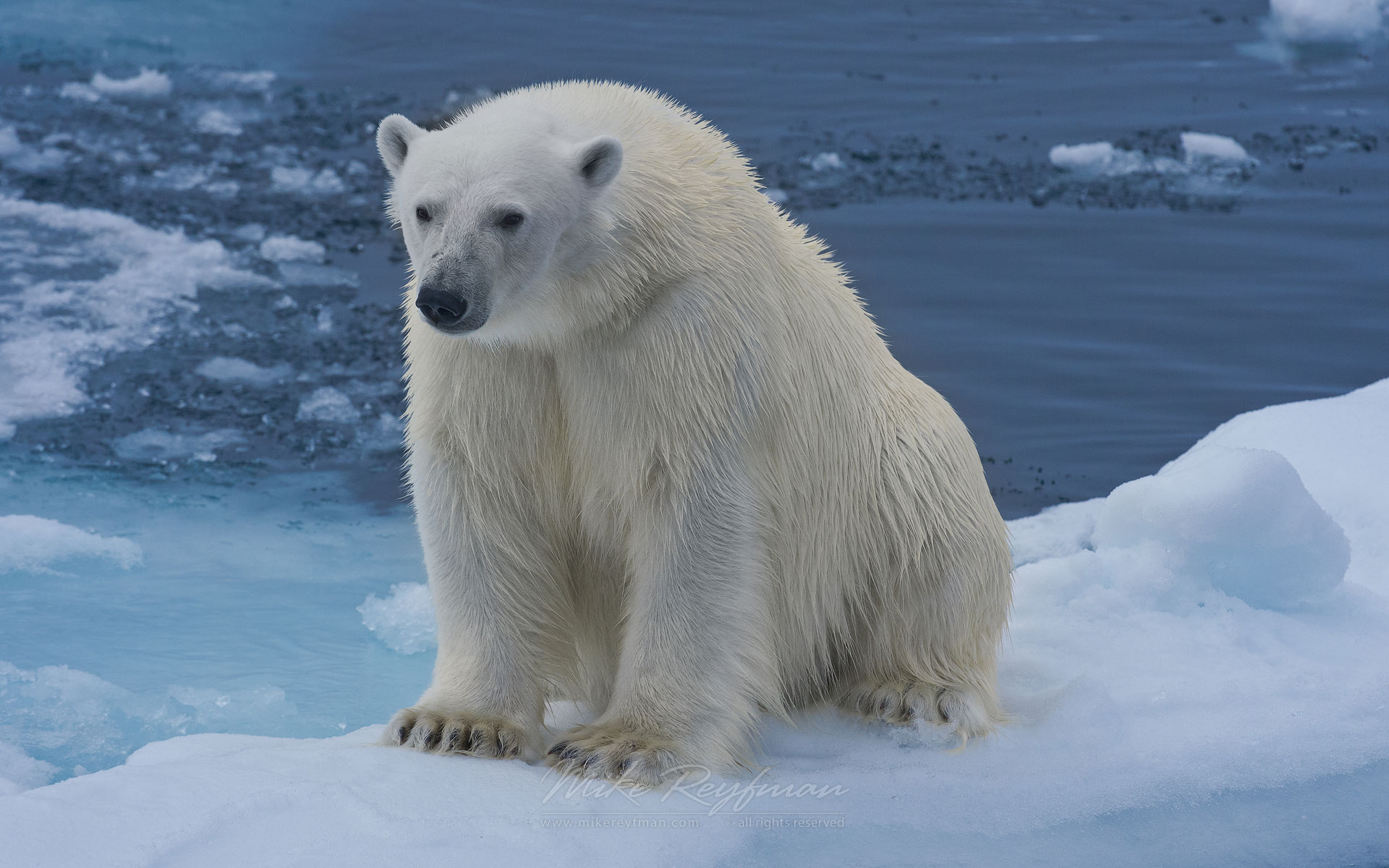
Polar bear resting on an ice floe in Svalbard, Norway. 81st parallel

Svalbard’s polar bears are sending messages to scientists CNN

Polar Bear On Ice

Surprising Polar Bear Facts About the King of the Arctic

Polar Bear

Polar Bear
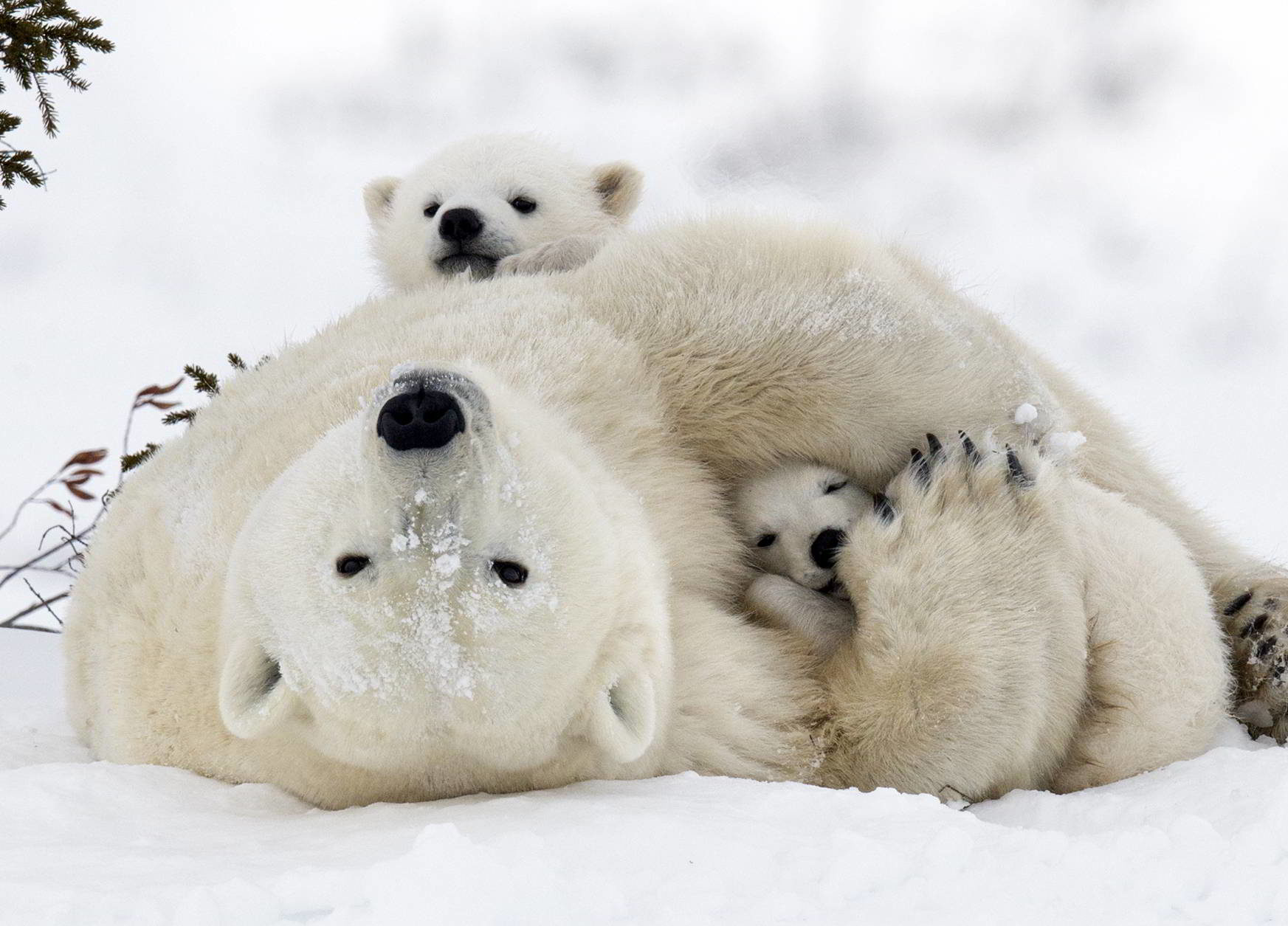
Polar Bears Species Facts, Info & More WWF.CA

Polar bears WWF

Polar ice sheet melting in past decade is worst in recorded history

On location in Churchill polar bears struggle to survive as the ice

Polar bear resting on an ice floe in Svalbard, Norway. 81st parallel
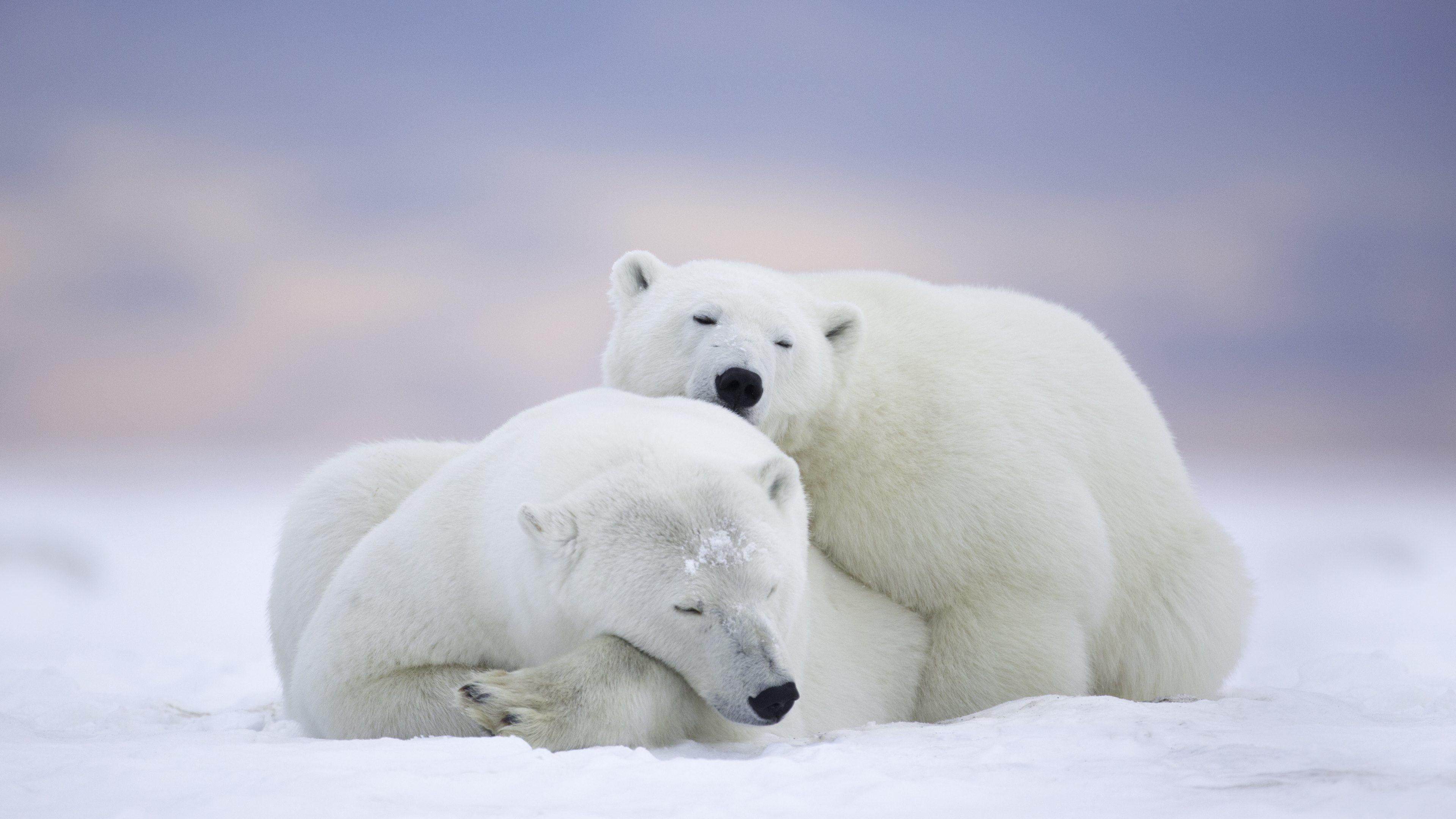
Polar Bears HD Wallpapers Wallpaper Cave

Polar Watches, Heart Rate Monitors & Activity Trackers Workout For Less

Download A Close Up of a Polar Bear
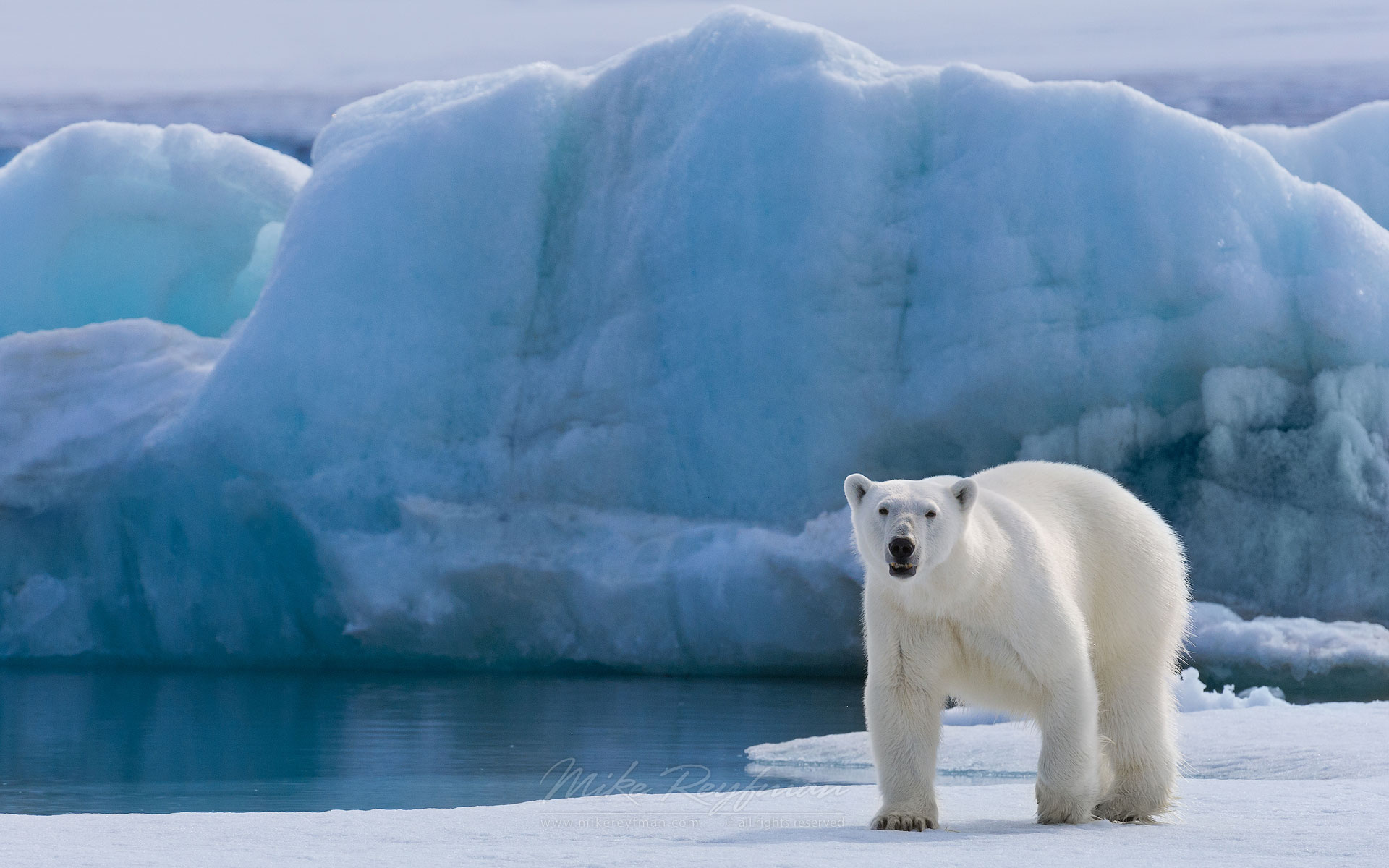
Polar bear on the pack ice along Spitsbergen coast. Svalbard, Norway

Polar Big Clean Switch

Polar Travel & Tours Premier Polar Travel Agency

Scientists unravel the secrets of polar bear fur

Rust机器学习之Polars阿里云开发者社区

Polar Bear chilling on an ice floe in Svalbard, Norway. 81st parallel
Polar grass (Arctagrostis latifolia) is a hardy perennial species that’s mastered survival in Arctic and subarctic regions through remarkable adaptations. It grows in dense tufts reaching 2-4 inches tall, featuring distinctive blue-green blades with waxy coatings and an extensive underground rhizome network extending up to 2 feet beyond visible growth. The plant’s sophisticated cold tolerance.. Plants have also adapted to the long winters and short, intense polar summers. Many Arctic species can grow under a layer of snow, and virtually all polar plants are able to photosynthesize in extremely cold temperatures. During the short polar summer, plants use the long hours of sunlight to quickly develop and produce flowers and seeds.


